Two hundred years is a very long time.
Long enough for generations to be born, grow old and disappear. Long enough for buildings to change, for forests to grow, for technology to advance, for traditions to be replaced by new traditions, and for things that seemed permanent to become nothing more than stories and memories.
But what does a place actually remember?
That was the question that started 200.
When the opportunity arose to create a brand new piece of theatre to celebrate the bicentenary of St Peter’s Church, I knew I didn’t want to simply tell the story of the building. Two hundred years of history is fascinating, but a list of dates and events isn’t the most theatrical of stories. I was excited to explore what might happen if we thought about that history through the people who had lived alongside it and through the things that a place might somehow remember. Instead, we have used the history as a starting point, the spark of a flame, to explore the universal human themes they revealed.
And so the story we will tell is a story about what is passed down. The things we inherit, the things we change, and the things that somehow remain. Stories about love and loss, progress and change, belonging and community.
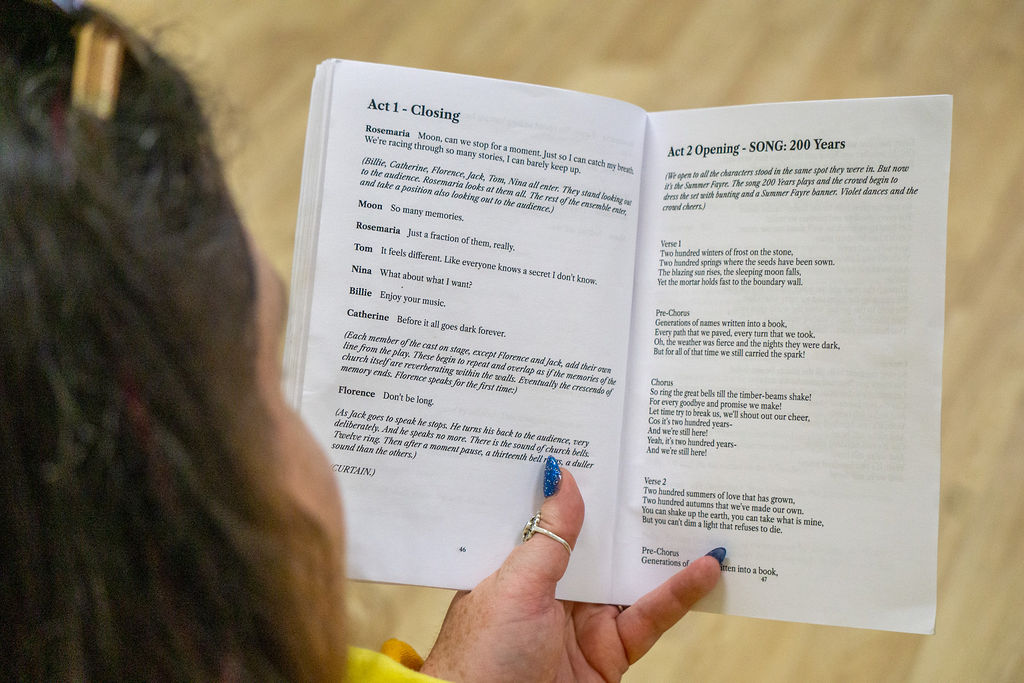
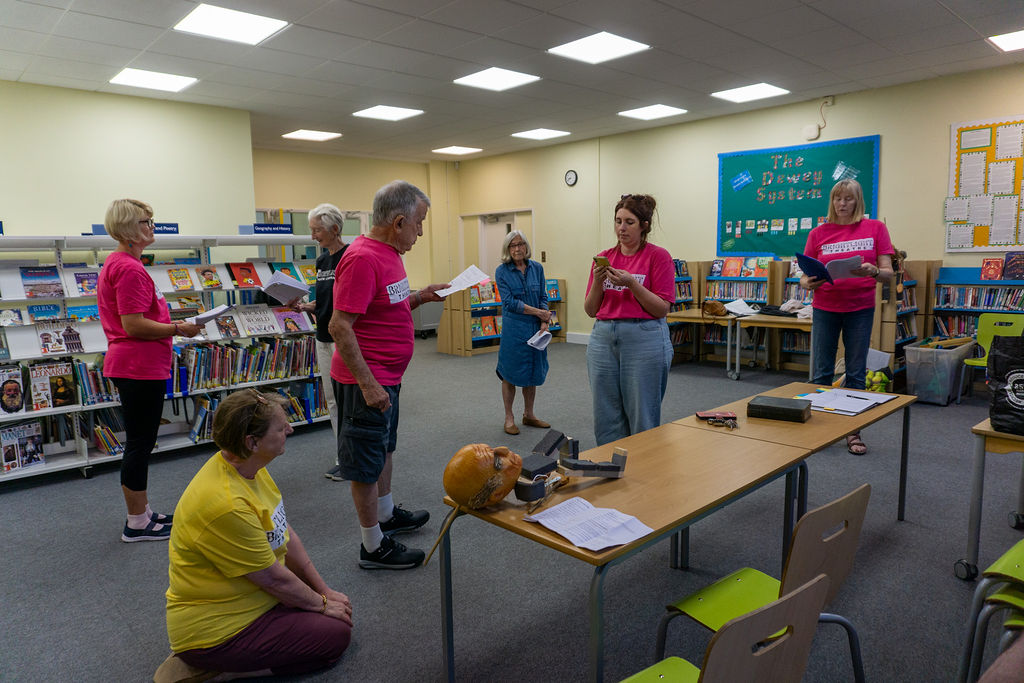
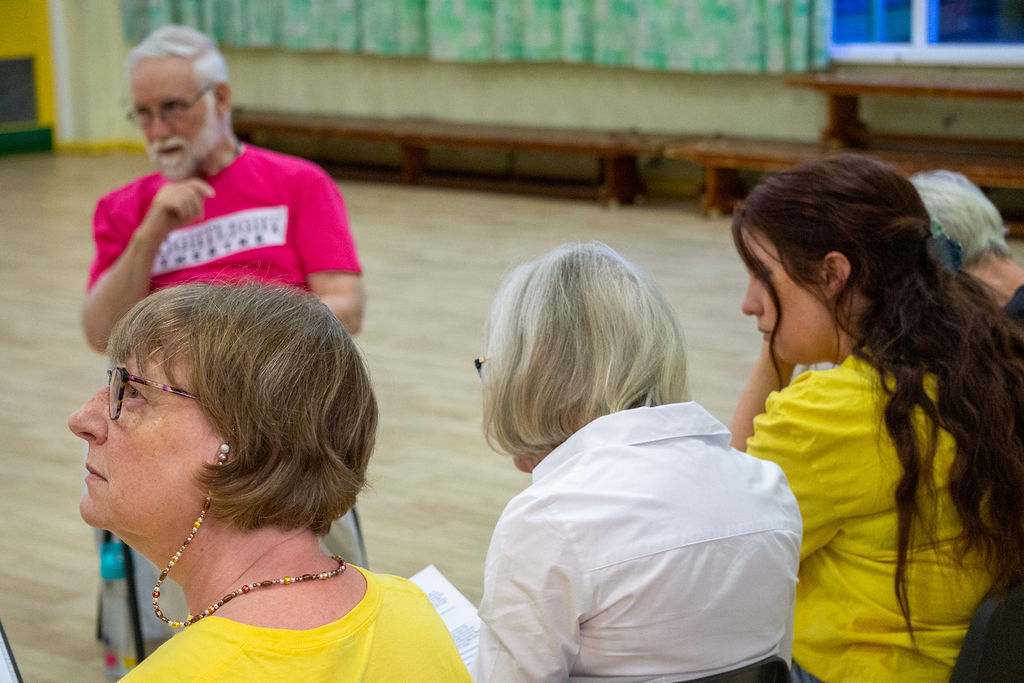
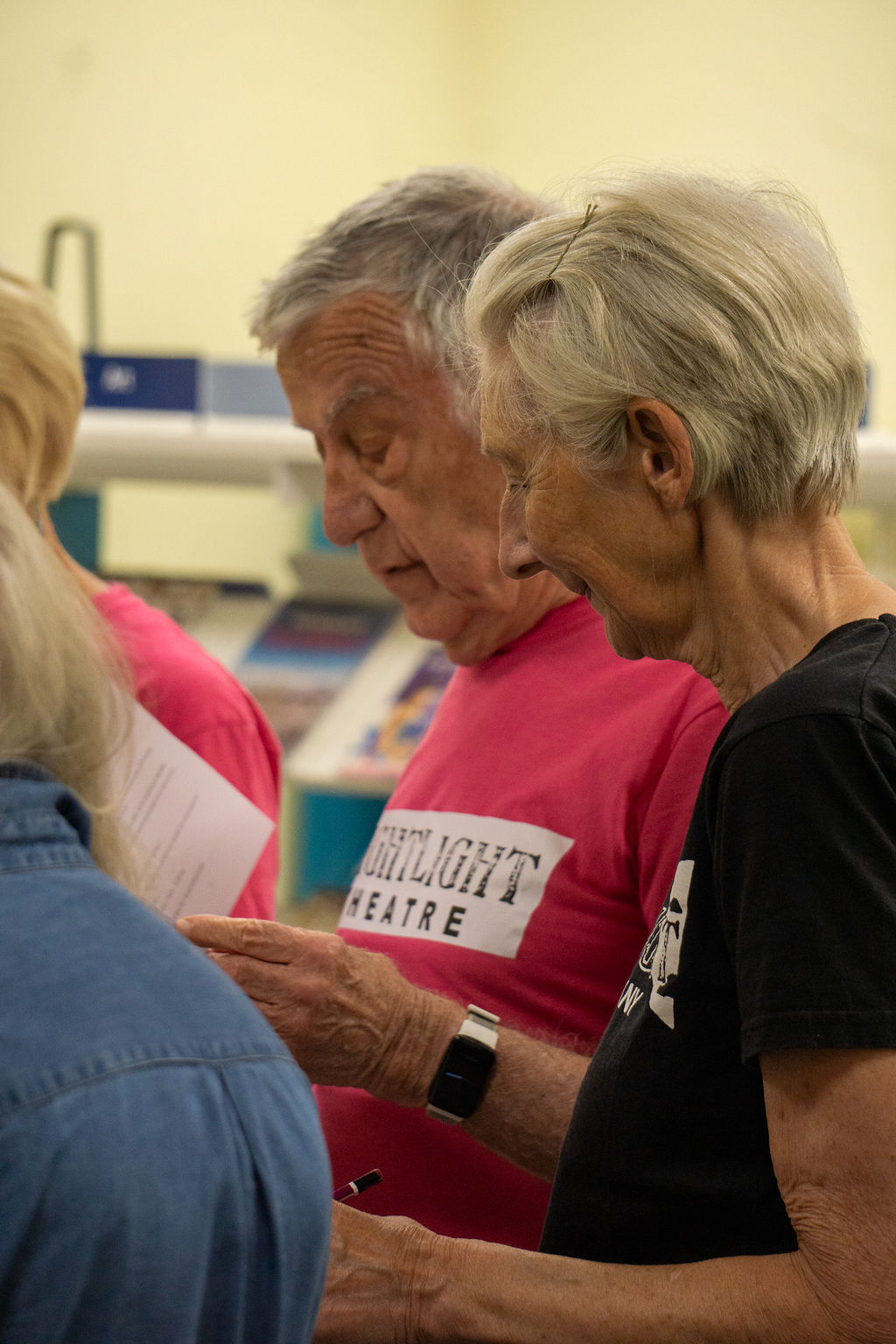
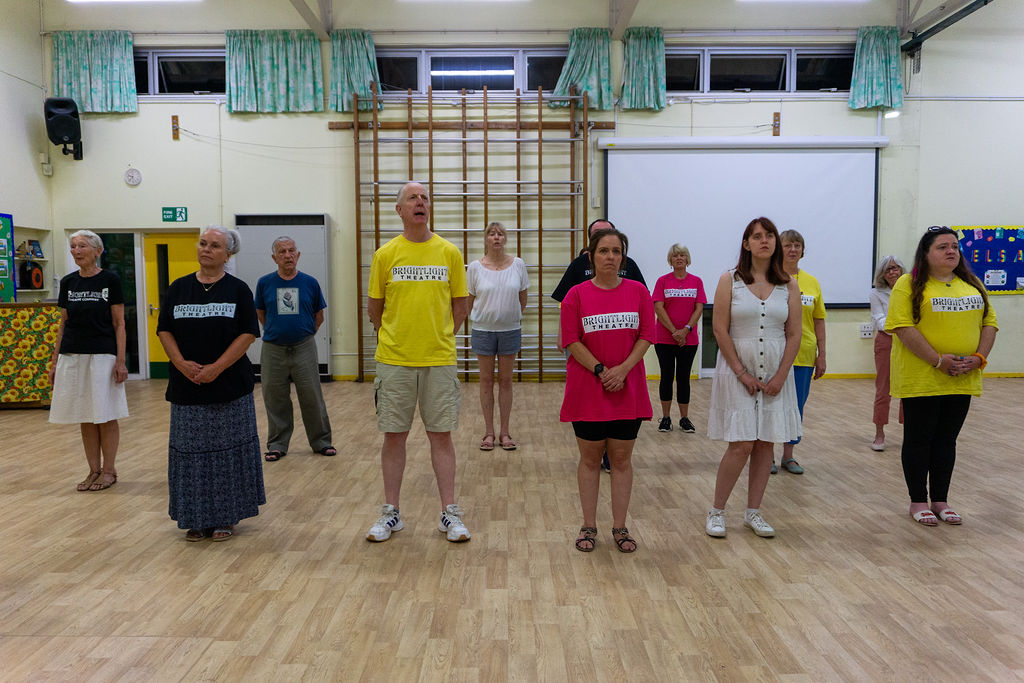
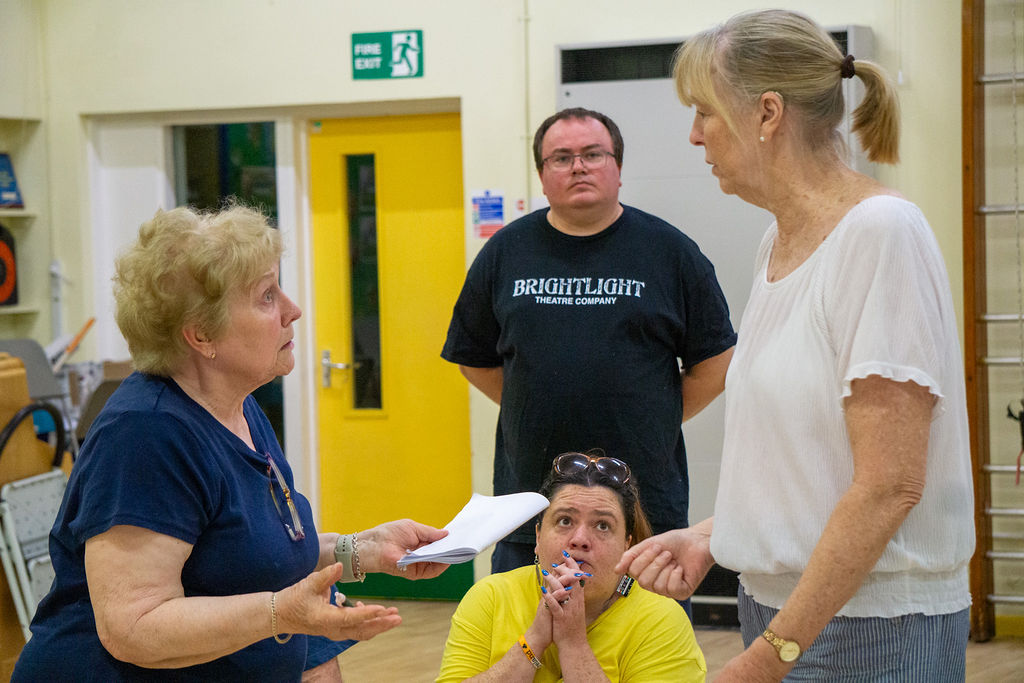
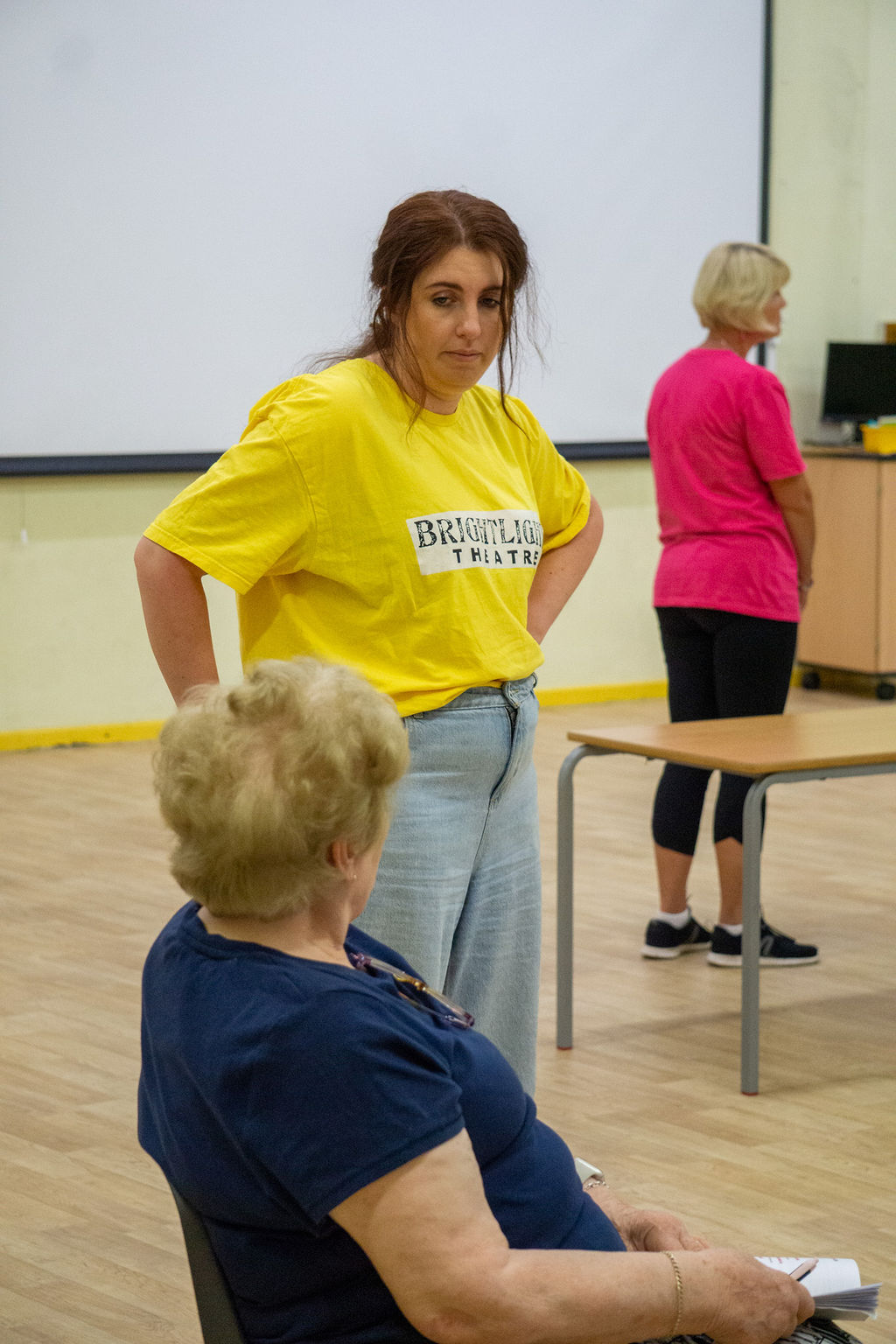
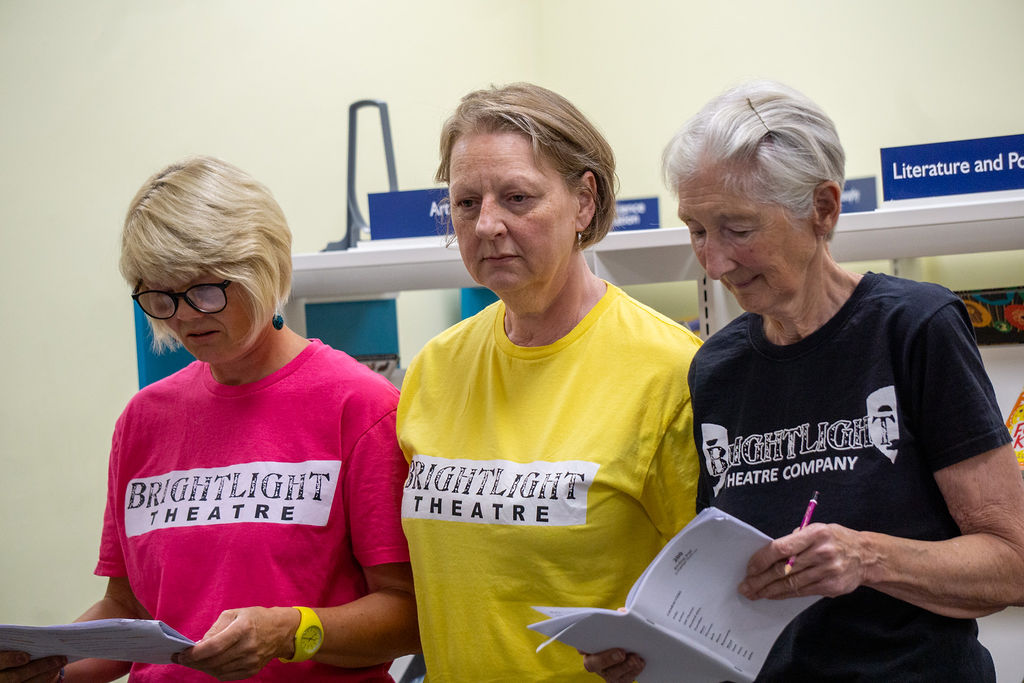
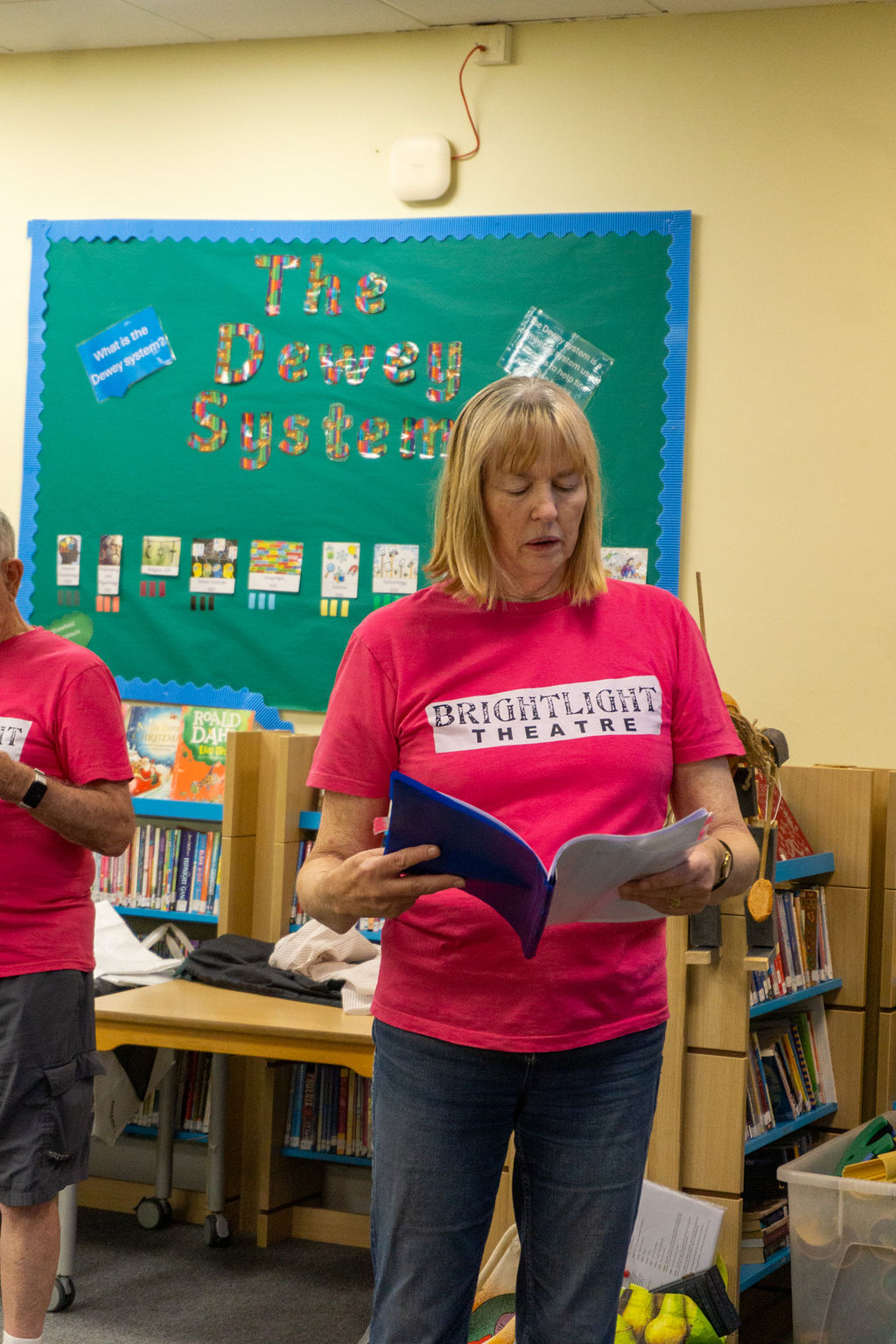
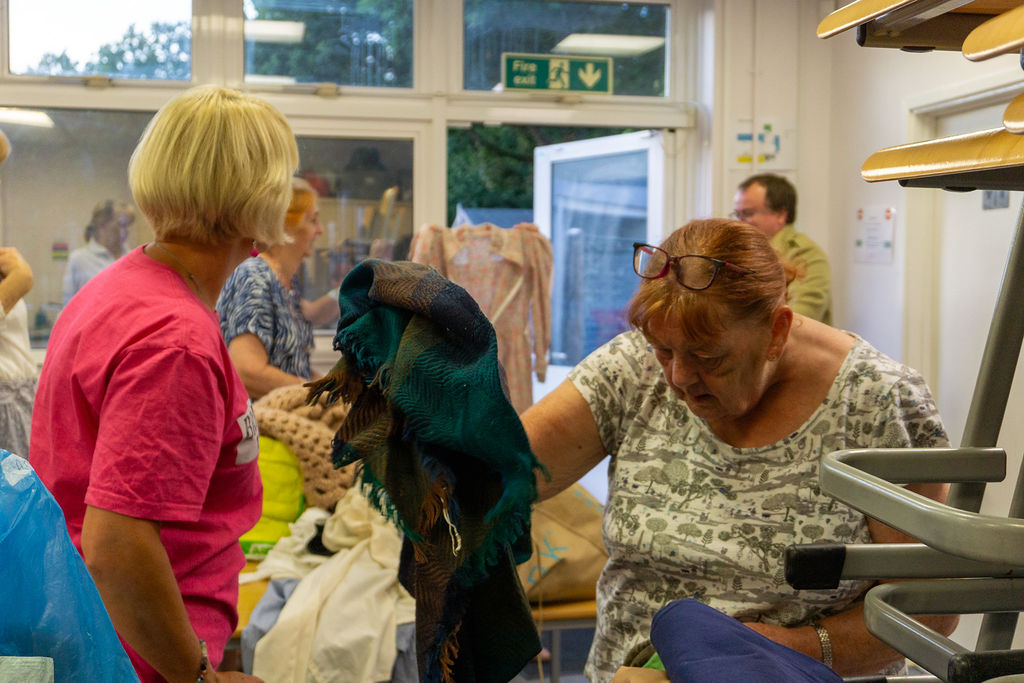
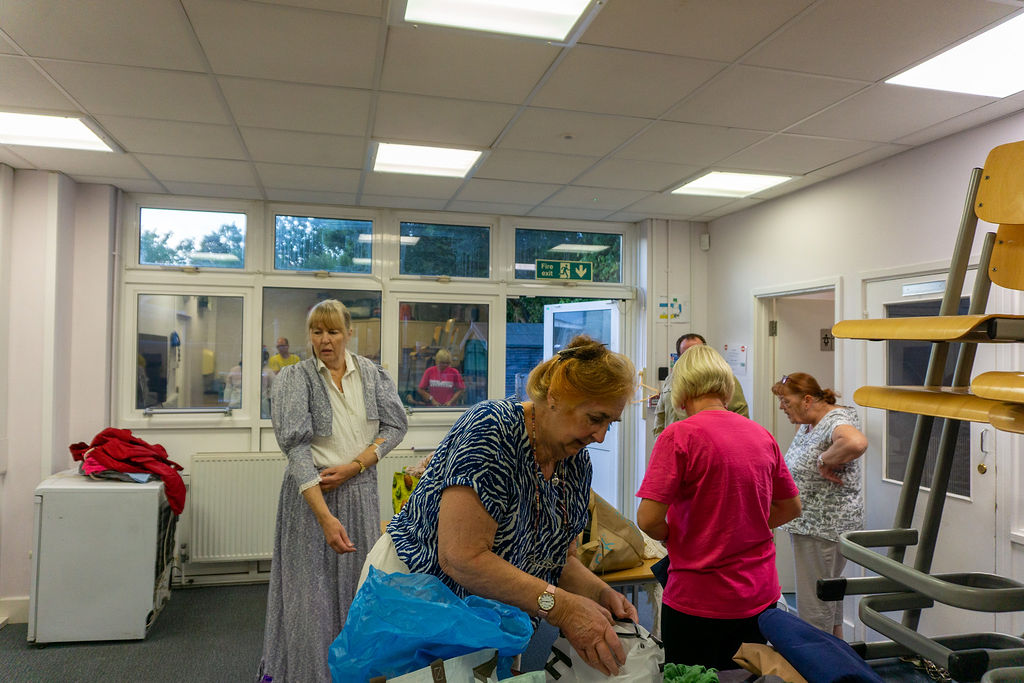
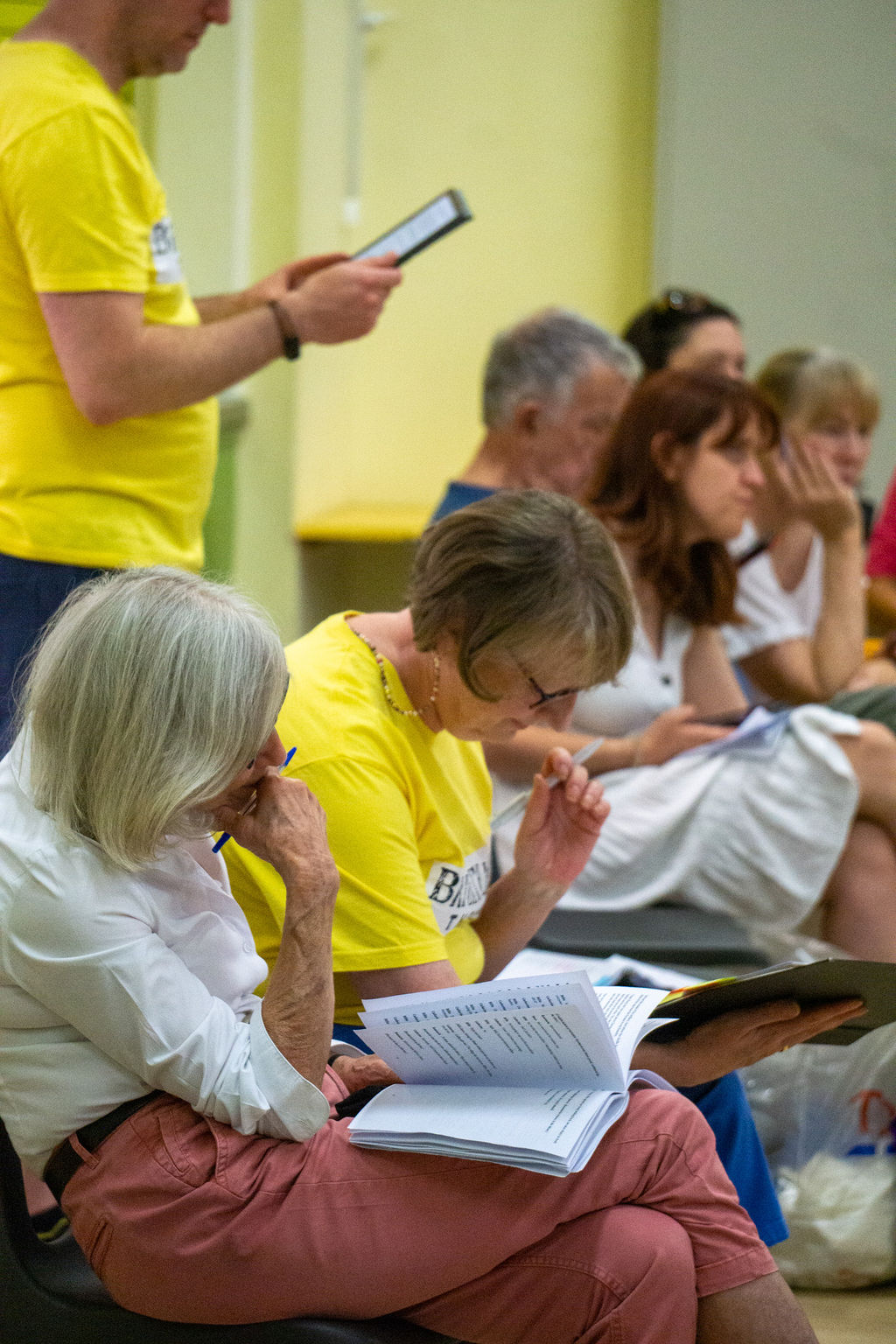
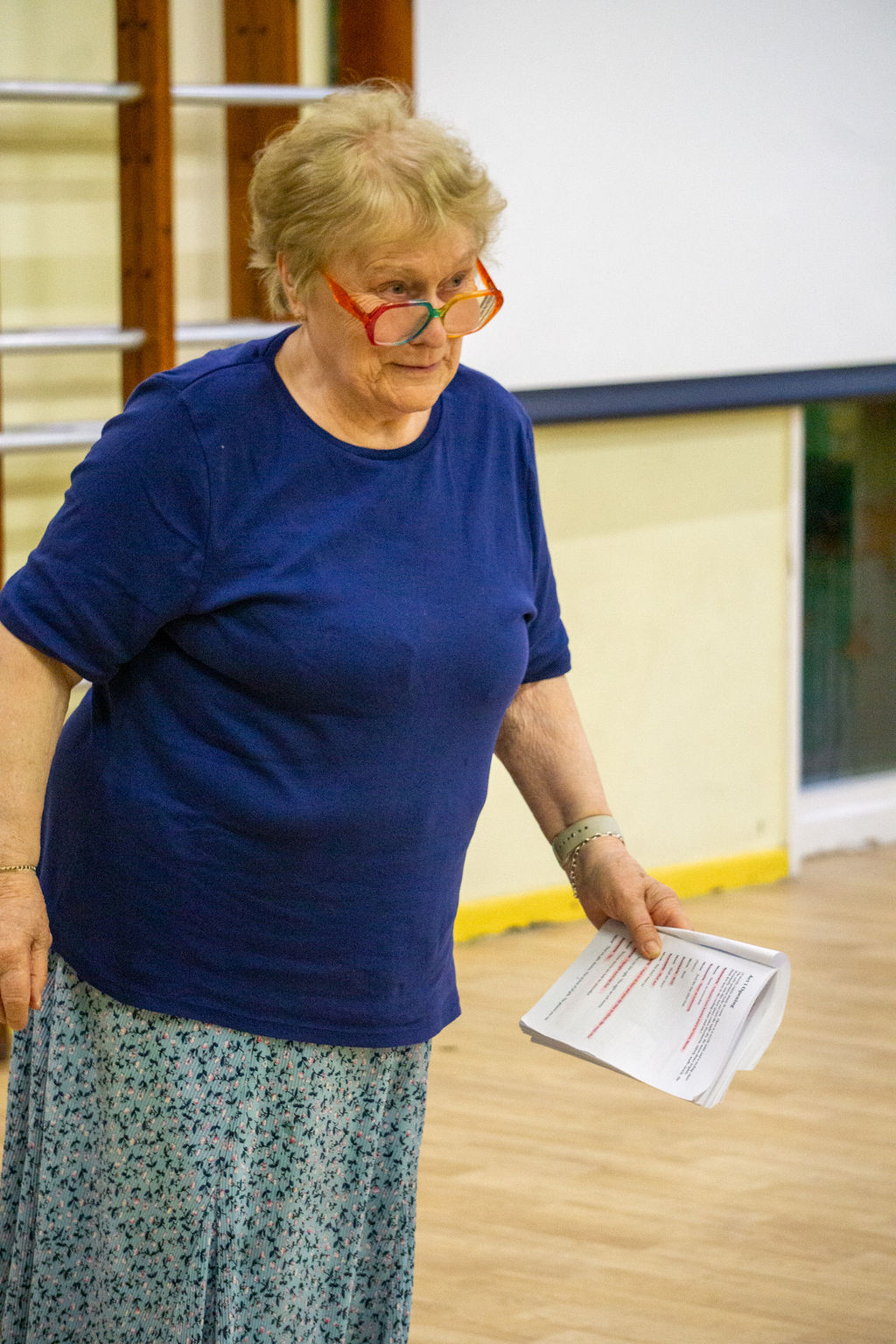
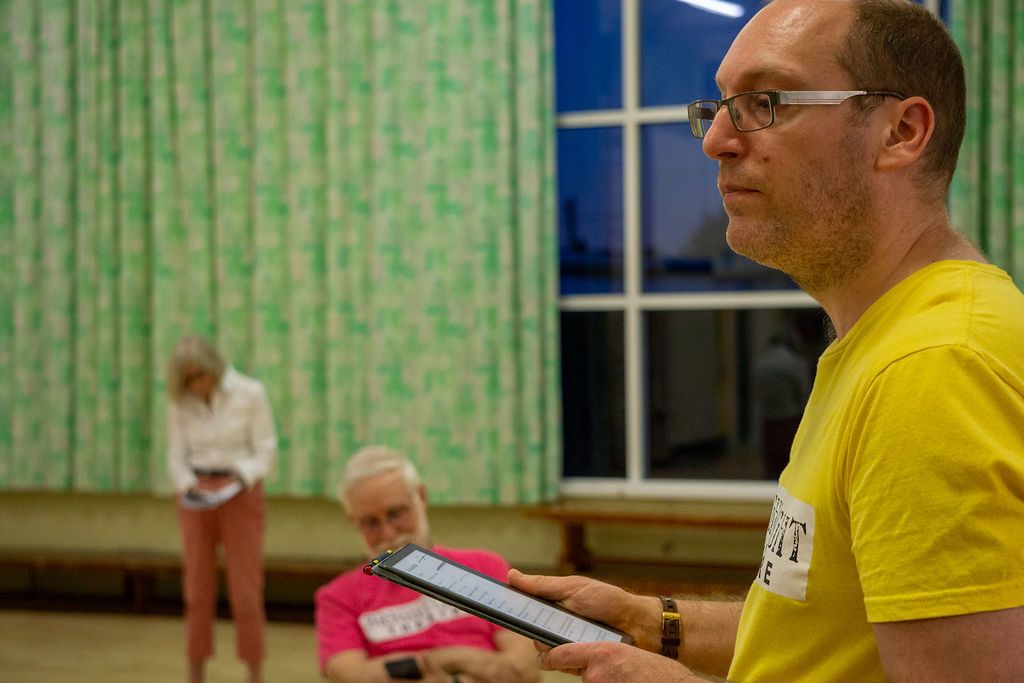
And 200 has very much been a story about our community in its making, too. Our first month of rehearsal was dedicated to exploring the history and finding new ways to retell it. The plot lines you’ll see tonight grew from those first workshops. Over the next month, the script started to come together, as Jeremy and Alison Lake and I plotted out the stories and wrote the dialogue, with the cast and company continuing to shape the stories and themes along the way. It was important we allowed local voices and experiences to find their way into the piece, and to ask what it is about a place like this that allows it to remain a centre of a community even as almost everything around it changes. A big thank you to everyone who contributed their memories or birthday wishes. You helped shape this play more than you could know.
Mary Bennett’s wonderful histories of St Peter’s and Frimley, as well as the biographies she wrote of those buried in the churchyard, were another important source of inspiration for several of the stories and plotlines. They provided the factual threads from which we could begin to weave something new, taking real people and events and allowing them to spark stories that could belong to any generation.
The result is a play that isn’t really about the history of a building. It is a little bit, but mostly it’s about the people who pass through it, the marks they leave, and the stories that remain.
I hope that whether you have been part of St Peter’s for generations, have only recently discovered it, or have no particular connection with the church at all, there is something here that feels familiar. Because although 200 begins with a very particular place the stories we pass on belong to all of us.
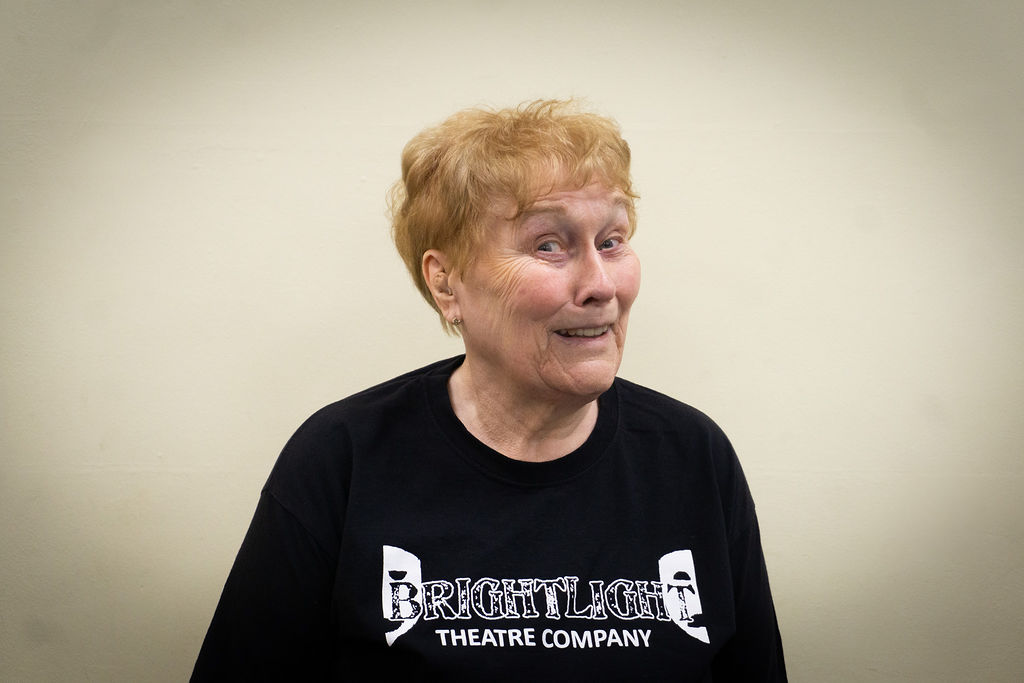
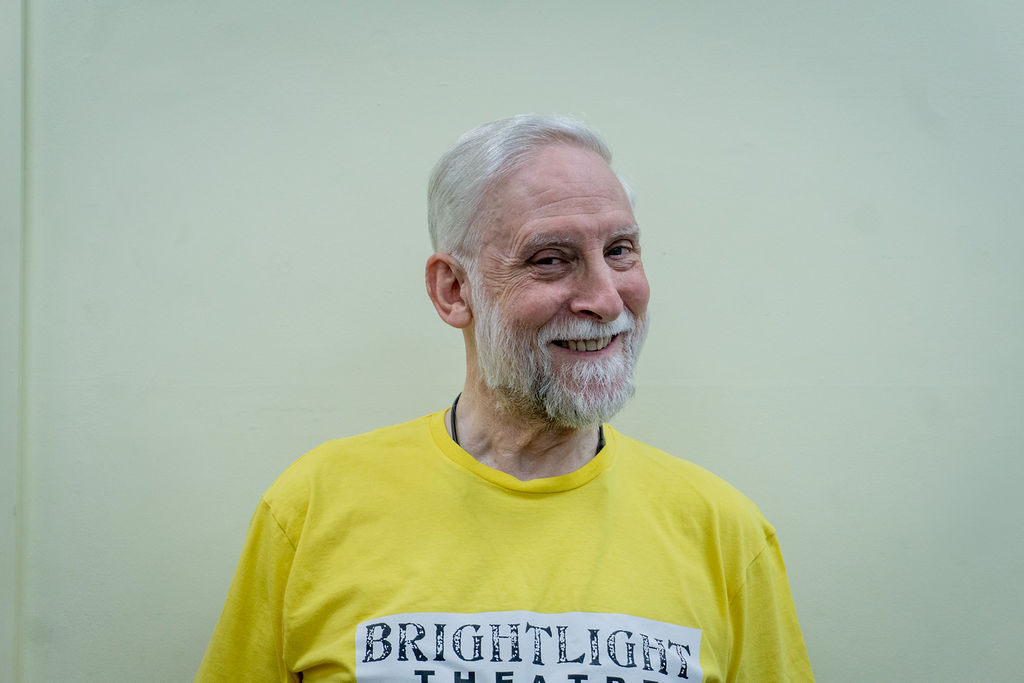
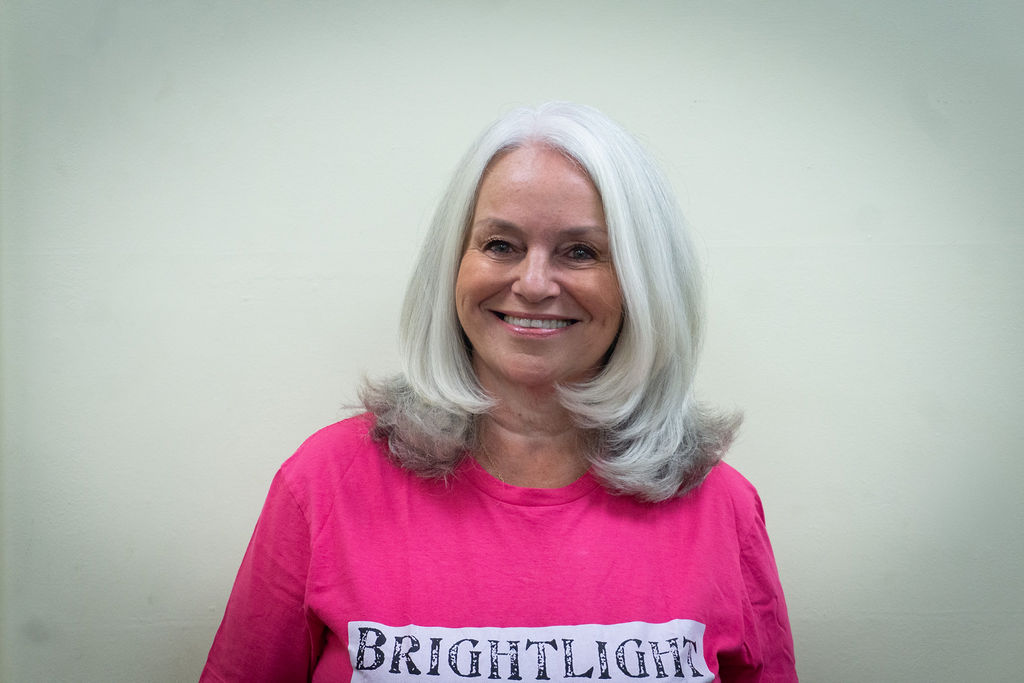
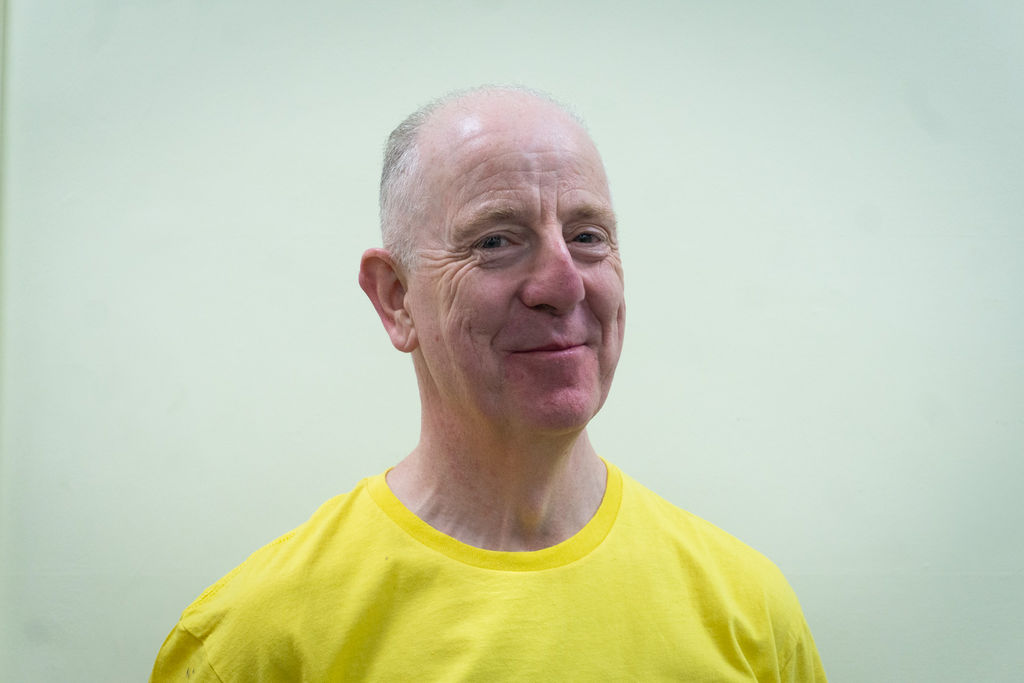
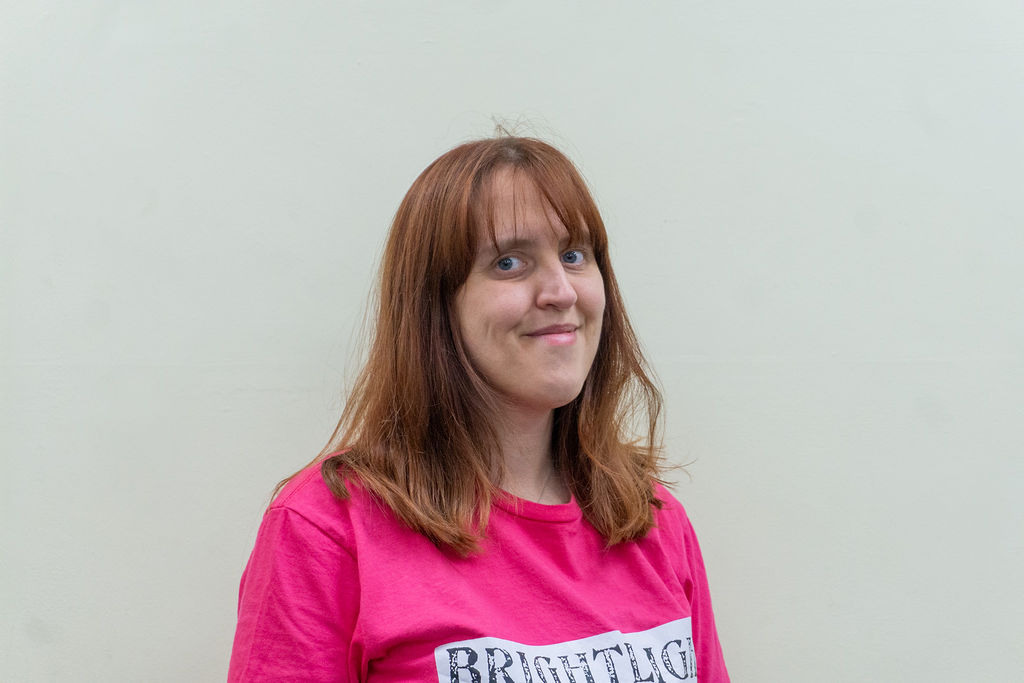
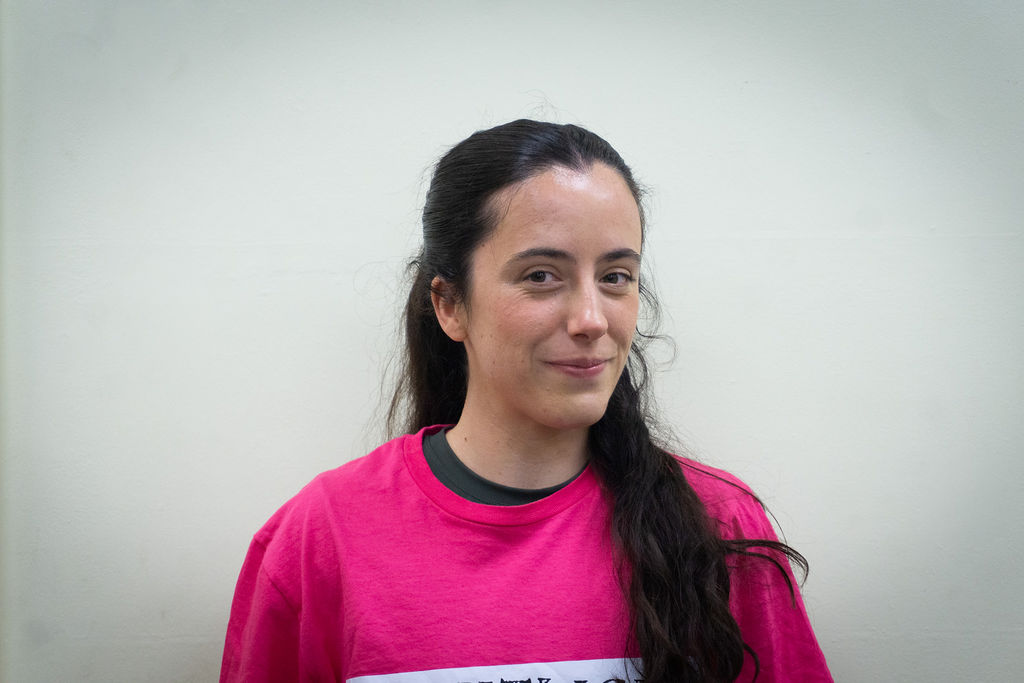
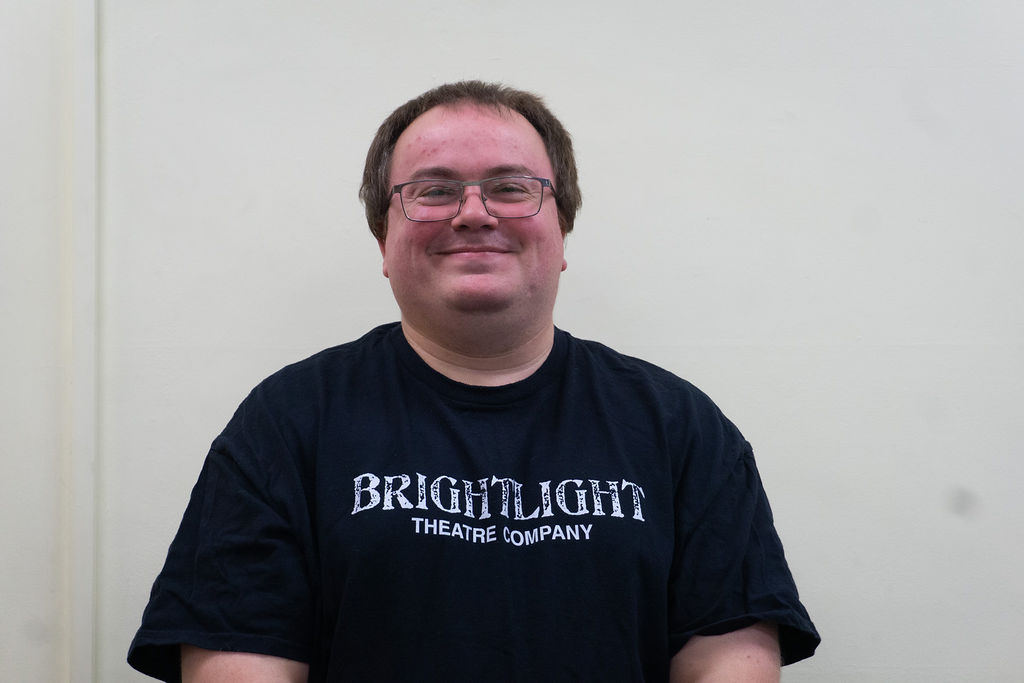
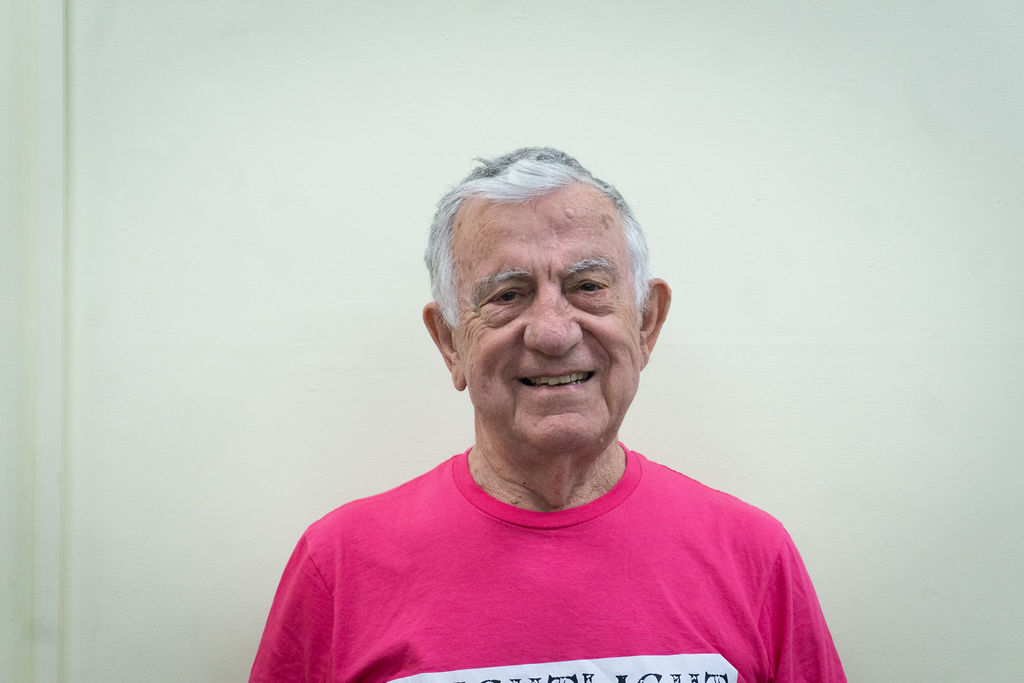
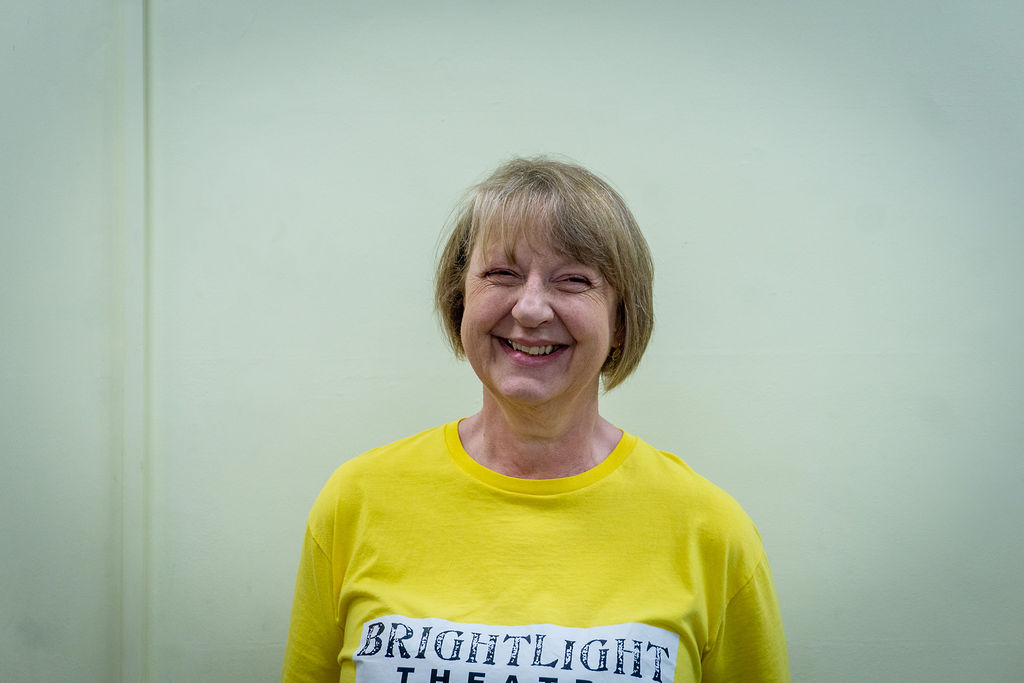
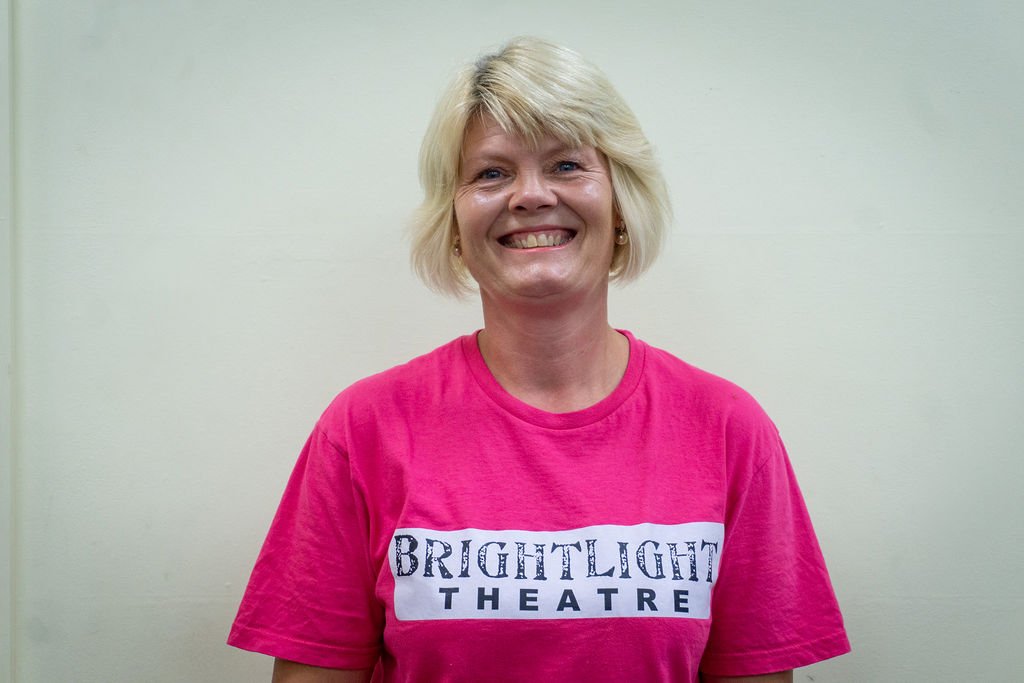
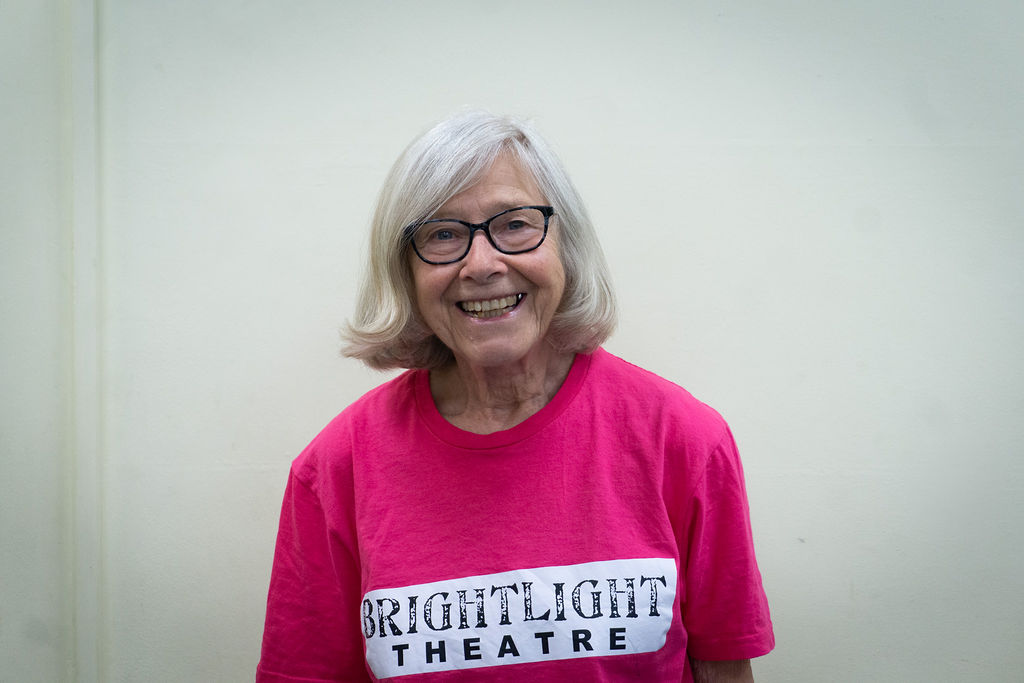
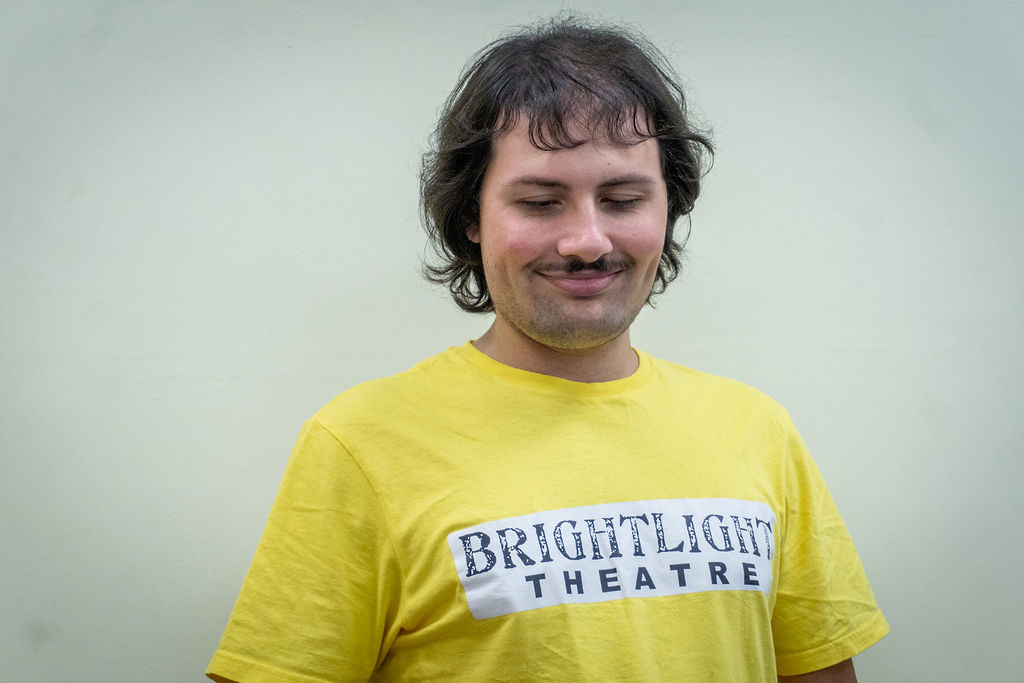
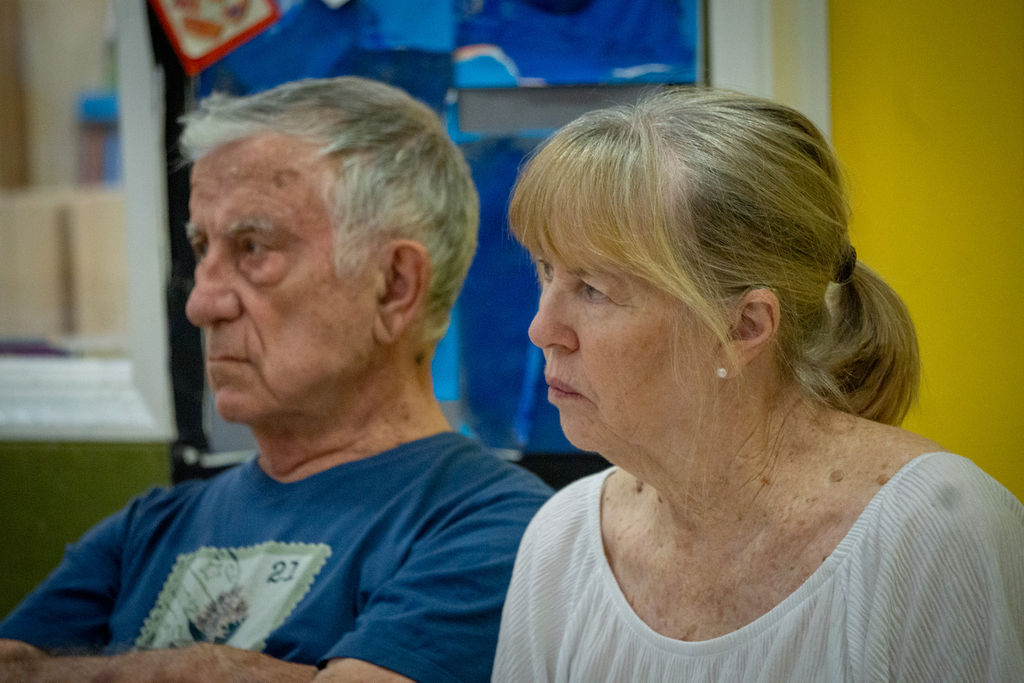
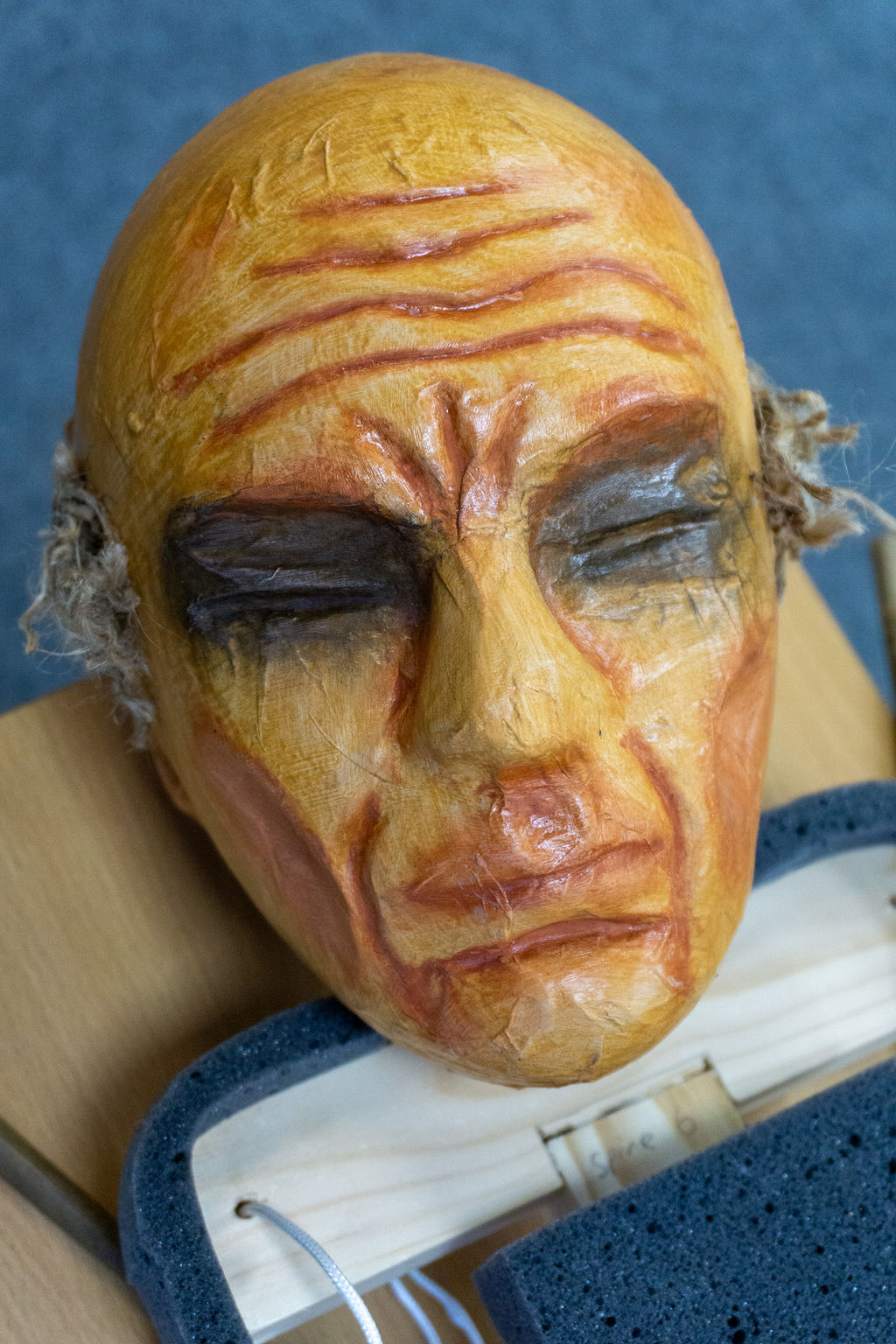
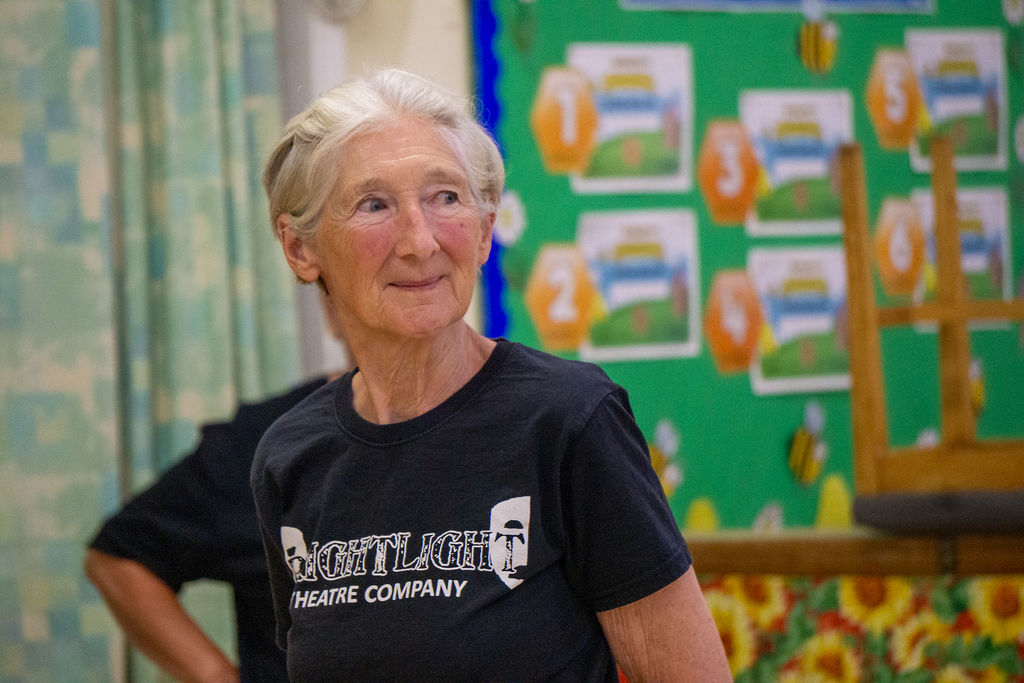
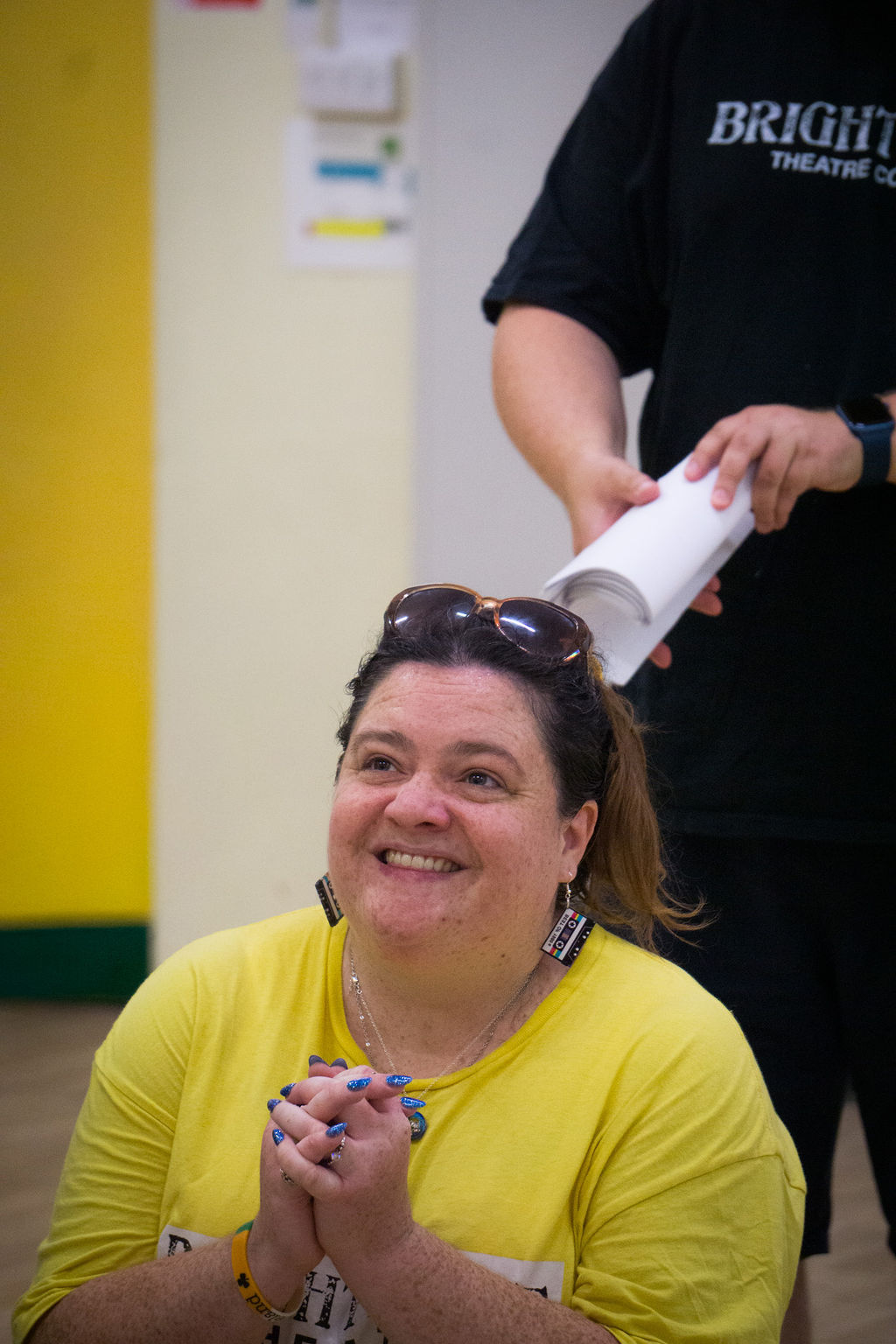
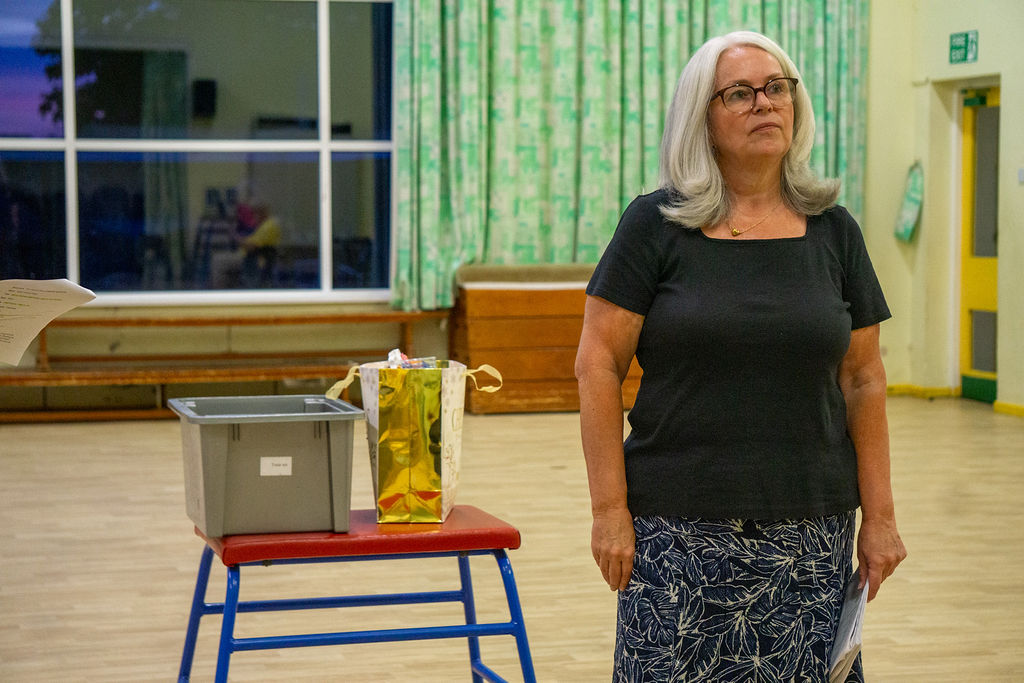
Finally, a huge thank you to everyone who has brought 200 to life. To the cast for their generosity, imagination and commitment - and special mention to Charlotte, Ann and Neil who are making their Brightlight debuts; to the crew for everything they have done behind the scenes; and to everyone in Brightlight who has contributed ideas and helped the play become what it is - our most ambitious new work to date.
I hope you enjoy the show.
For 200 years, people have come and gone. Their stories remain.